Unintentional Misrepresentation is one of the most serious allegations an applicant can face in the Canadian immigration process. Whether you’re applying for a visitor visa, study or work permit, permanent residence, or citizenship, providing false, misleading, or incomplete information can lead to serious consequences, including a five-year ban from entering Canada.
But what if the mistake was Unintentional Misrepresentationl? What if you didn’t know a certain fact needed to be disclosed or made an error without any intent to deceive?
In this blog, we explore IRCC’s strict interpretation of misrepresentation, the legal standards applied, and how even Unintentional Misrepresentation errors can trigger severe outcomes.
What Is Unintentional Misrepresentation?
Under Section 40(1)(a) of the Immigration and Refugee Protection Act (IRPA), misrepresentation occurs when an individual:
“Directly or indirectly misrepresents or withholds material facts relating to a relevant matter that induces or could induce an error in the administration of the Act.”
In simpler terms, misrepresentation means providing false, misleading, or incomplete information that could affect a decision on your immigration application.
Can Unintentional Misrepresentation Happen in Canadian Immigration??
Yes, it can. IRCC does not require intent to find someone guilty of misrepresentation.
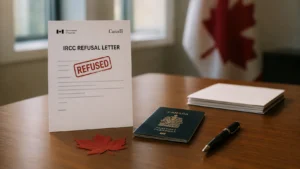
Even if you made a genuine mistake or were unaware that certain information needed to be disclosed, IRCC can still issue a refusal or impose a five-year inadmissibility ban based on misrepresentation.
Examples of Unintentional Misrepresentation:
-
- Failing to declare a visa refusal from another country
- Not disclosing past work experience you assumed was irrelevant
- Listing incorrect dates for travel, employment, or education
- Providing a document you believed to be authentic but wasn’t
- Relying on an unlicensed or careless immigration agent
In all these cases, intent is not required. The focus is on whether the information could have affected the decision-making process, not whether you meant to mislead.
What Are the Consequences of Unintentional Misrepresentation Happen in Canadian Immigration??
The penalties for misrepresentation are significant, regardless of whether it was intentional or not.
Possible consequences include:
-
- Immediate refusal of the application
- Being found inadmissible to Canada
- A five-year ban on entering Canada
- Ineligibility for permanent residence or sponsorship
- Revocation of permanent residence or citizenship in extreme cases
These consequences apply even if the misrepresentation was due to an honest mistake or advice from someone else.
How IRCC Detects Misrepresentation
IRCC officers are trained to cross-check information across multiple sources. This includes:
-
- Previous applications submitted by you
- Immigration databases and travel history
- GCMS notes and officer comments
- Information shared with other countries through data-sharing agreements
Discrepancies or omissions in your forms, supporting documents, or declarations are often flagged for further review.
What Is a Procedural Fairness Letter (PFL)?
If IRCC suspects misrepresentation, they may send a Procedural Fairness Letter (PFL) before making a final decision. This letter outlines the concerns and gives you an opportunity to respond and explain your side.
You must take a PFL very seriously. Your response could determine whether the application is refused and whether inadmissibility is applied.
Common Scenarios Where Misrepresentation Arises
1. Undisclosed Previous Visa Refusals
Applicants may fail to mention visa refusals from other countries, assuming they are irrelevant. IRCC considers this a material omission.
2. Inaccurate Work History
Providing inconsistent or incomplete job histories can trigger doubts about the authenticity of your background.
3. Fake or Altered Documents
Even if you were unaware the document was fraudulent (for example, if an agent submitted it), you may still be held responsible.
4. Inconsistent Marital Status
Not disclosing a spouse or claiming to be single when married is considered misrepresentation, even if done to meet eligibility criteria.
5. Misuse of Representatives
Using unlicensed or careless representatives can lead to applications being submitted with errors or omissions that result in misrepresentation findings.
How to Avoid Unintentional Misrepresentation
-
- Always tell the truth, even if you think the information may hurt your chances
- Disclose all visa refusals, arrests, marriages, separations, and previous immigration attempts
- Double-check your application for consistency and completeness
- Keep records of all your applications and documents
- Use only licensed immigration professionals who follow IRCC guidelines
What to Do If You Are Accused of Misrepresentation
If you receive a Procedural Fairness Letter or are refused due to misrepresentation, it is critical to act quickly and carefully.
Steps you can take:
-
- Request your GCMS notes to understand the officer’s reasoning
- Prepare a detailed, honest, and evidence-based explanation
- Provide supporting documentation that addresses the issue
- Seek legal or professional advice from a licensed immigration consultant or lawyer
In some cases, it may be possible to argue that the misrepresentation was not material, or that exceptional circumstances justify leniency. IRCC may consider the overall context before issuing a final decision.
Final Thoughts: Honesty and Diligence Are Essential in Immigration
Misrepresentation, even when unintentional, can have devastating consequences for your future in Canada. That is why every immigration application must be accurate, complete, and truthful.
If you are unsure about what to disclose or how to explain complex parts of your background, consider consulting with qualified immigration professionals at Can X Global. Our licensed consultants will review your application in detail, ensure consistency across documents, and help you avoid serious mistakes that could lead to refusal or inadmissibility. If you have already received a procedural fairness letter or misrepresentation finding, we can help you prepare a strong response and protect your immigration future.