





We Live in Different Countries — Can We Still Prove Common Law to IRCC?
Published by: Can X Global Solutions Inc.
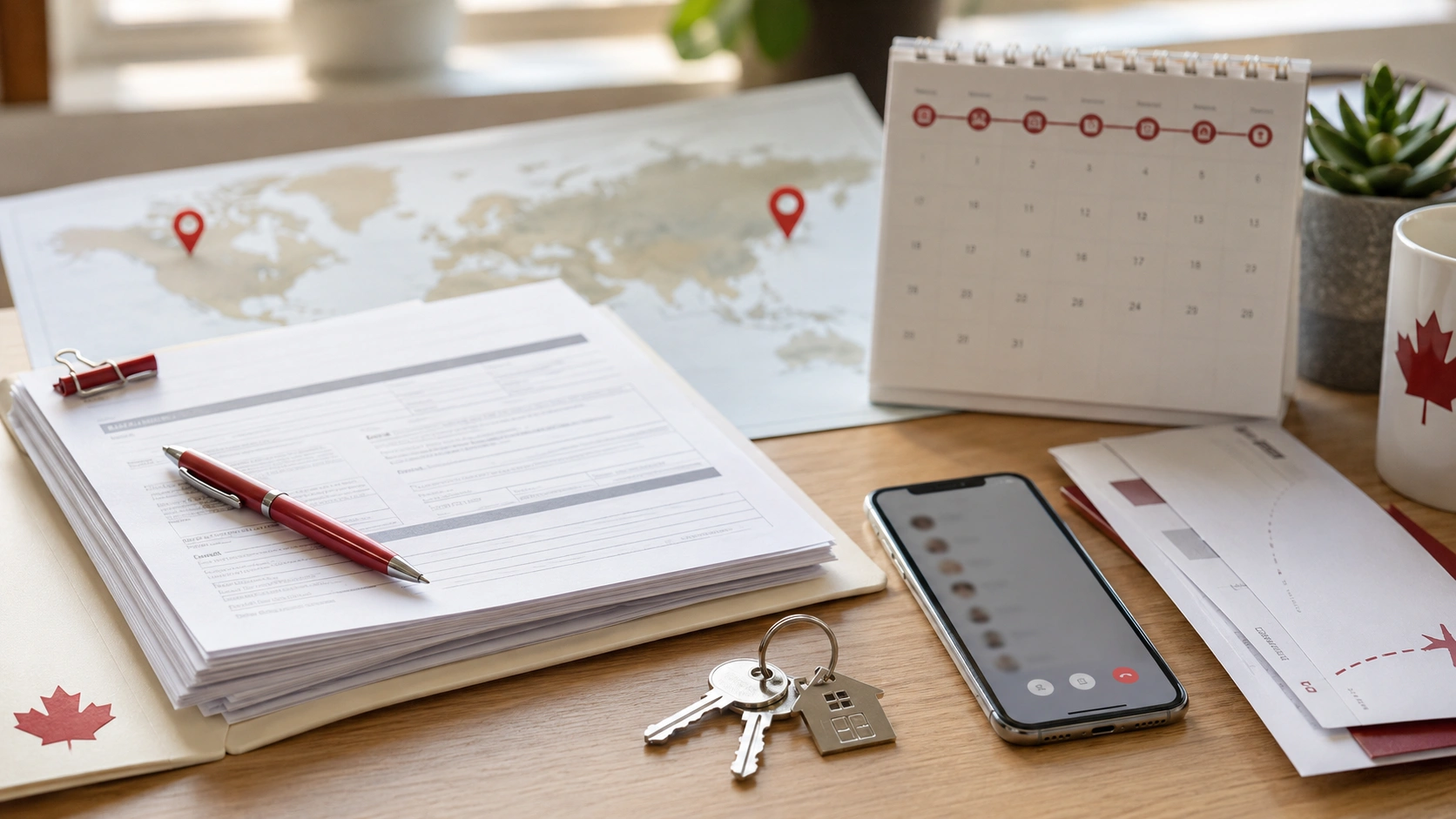
You lived together. It was real – a shared apartment, shared bills, a shared life. Then one of you moved: a job transfer, a visa expiry, a family situation. Now you’re in different countries, wondering whether the time you spent under the same roof still means anything to IRCC.
It can. But how you document it – and how you explain what happened since – makes all the difference.
Wondering if your situation qualifies?
Book a ConsultationWhat IRCC Actually Needs From You
The common-law requirement is 12 continuous months of cohabitation. IRCC’s rules don’t specify that you need to be currently living together at the time you apply. They specify that you need to have lived together for the required period.
This means a couple who genuinely cohabited and can prove it – but has since moved apart for documented reasons – can still qualify as common-law partners, provided two things hold:
- The cohabitation period is clearly established with documentation from that time
- The relationship has remained ongoing and genuine since the separation
The file needs to answer an implied question every officer is asking: were you actually common-law partners when you were together, and are you still the same couple now?
Documenting the Period When You Lived Together
The strongest evidence of past cohabitation comes from documents that were created at the time – not assembled or reconstructed afterward. IRCC is experienced at identifying filings where the documentation tells a different story than the timeline claimed.
What to look for from the cohabitation period:
- A joint lease or rental agreement with both names listed and the start date of the tenancy
- Utility bills, internet accounts, or insurance documents in both names showing the shared address
- Tax filings from that period listing the same address for both partners
- Government-issued documents – health cards, driver’s licences, bank account addresses – that show the same address around the same time
- A statutory declaration from a landlord, neighbour, housemate, or family member who can confirm both people lived at that address and when
- Photos taken inside or outside the shared residence, with timestamps or verifiable metadata if possible
The more of these you can produce, and the more consistently they point to the same address and the same time period, the stronger your foundation is.
Need a personalized review of your file?
Get a Case ReviewWhat If the Arrangement Was Informal?
Informal living situations are common – especially for couples who lived together before immigration became a consideration. A landlord who took cash and never put both names on the lease. A room in a shared house. One person’s name on the contract with the other effectively living there.
None of these disqualify you. What they mean is that you’ll need to build the cohabitation evidence from other sources:
- A statutory declaration from the landlord confirming both people lived there and the approximate period
- Declarations from housemates or neighbours who were present and aware of the arrangement
- Mail or deliveries received at the address in the partner’s name
- Bank statements, purchases, or subscriptions linked to that address
- Consistent photos from the residence over time
The goal is not perfection – it is consistency. A consistent, credible account of where you were both living and when is what convinces an officer.
Documenting the Relationship After the Separation
Once the cohabitation is established, the file has a second job: showing that the relationship didn’t end when you moved apart. Geographic separation is not the same as a relationship breakdown – but you need to demonstrate that.
Evidence from the period of separation should show:
- Communication – call records, message threads, video call history that demonstrates ongoing, regular contact
- Visits – flight records, hotel bookings, or passport stamps from visits in either direction, or in third countries
- Financial connection – money transferred between partners, shared subscriptions, gifts sent, accounts that remain linked
- Family awareness – declarations or messages from family members in both countries who know the relationship is continuing
- Photos from the period of separation – particularly from any visits, showing the couple together in current settings
The picture you are building is of two people who are committed to each other and are in the same relationship – who happen to be living in different places right now for reasons that have nothing to do with the relationship itself.
Have questions about your specific case?
Talk to an AdvisorHow You Explain the Separation Matters
Officers are trained to look for the narrative that a file is telling. A separation that is well-explained – a job transfer, a visa that expired and couldn’t be renewed, a family obligation – reads very differently from a separation that has no account at all.
Your personal statement should clearly address:
- Why one partner moved – be specific and honest
- When the separation occurred relative to the start and end of cohabitation
- What the plan is for reunification, and what steps you are taking
This is not just persuasive writing – it is information the officer needs to understand the file. An unexplained gap creates an information void that officers tend to fill with their own interpretation. Fill it yourself.
Is This the Same as Conjugal Partner Sponsorship?
No – and the distinction matters. Conjugal partner sponsorship is for couples who have never been able to cohabit because of a barrier outside their control. Common-law sponsorship, even with a current geographic separation, is for couples who have already met the 12-month cohabitation threshold and can prove it.
If you cohabited and can document it – even if you are now apart – common-law is the correct and stronger category. The evidence standard for conjugal partner is more demanding, and using it when common-law is available is both unnecessary and disadvantageous.
FAQ
We lived together for 14 months but that was two years ago. Does the cohabitation still count?
IRCC looks at whether you were common-law partners – not whether you currently are living together. The key is that the cohabitation was genuine, is well-documented from that period, and that the relationship has remained continuous since. A two-year separation with minimal documented contact is harder to sustain. A two-year separation with ongoing visits, communication, financial connection, and family awareness is more defensible.
One of us moved for a temporary work assignment. Does that break the common-law status?
A temporary, documented work assignment that did not represent a breakdown of the relationship is generally not treated as ending the cohabitation or resetting the clock – provided the primary shared residence remained unchanged and the couple maintained the relationship throughout. A six-week posting is very different from a two-year relocation where both partners maintained entirely separate lives.
Do we have to be living together again before we can apply?
No. You need to have met the 12-month cohabitation threshold – you do not need to be currently sharing a home at the time of application. The relationship must be ongoing and genuine, documented from the present as well as the past. But physically reuniting before filing is not a requirement.
Proving a common-law relationship when you’re no longer in the same country takes careful file construction. Can X Global has been helping couples in exactly this situation build successful applications since 2016. Book a assessment to review what you have.
Need help preparing your application correctly?
Book a ConsultationGet Expert Immigration Advice
10+ years helping clients achieve Canadian permanent residency.
Book a ConsultationTrusted by Clients from 30+ Countries
We provide trusted and effective Immigration solutions, assisting clients from around the world in successfully starting their new life in Canada.
Most Read
View all →
Inland vs Outland Spousal Sponsorship Canada 2026: Which Stream Is Right for You?

Spousal Open Work Permit Canada 2026: How to Work While Your PR Is Processing

Who Can Sponsor a Spouse to Canada in 2026: Full Eligibility Guide

Spousal Sponsorship Canada Documents Checklist 2026