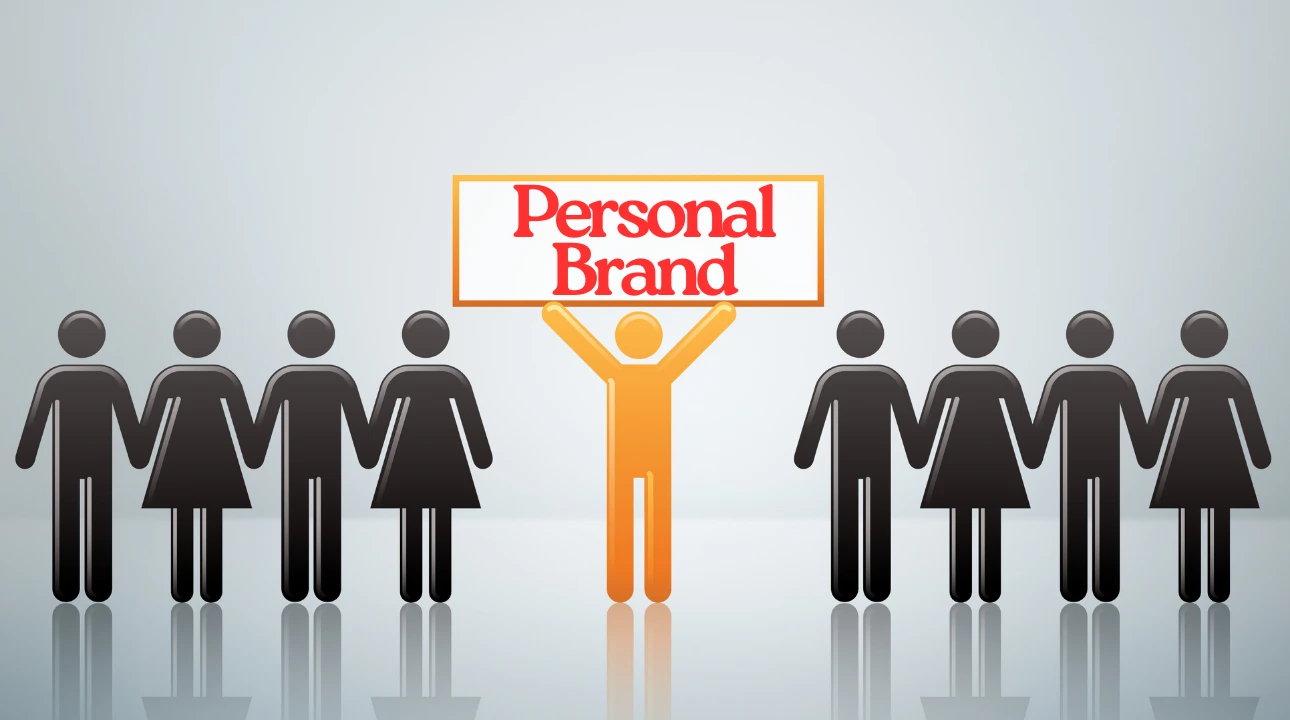
Standing out in today’s competitive job market is not just about having the right qualifications. Employers want to know who you are, what you stand for, and how you bring value to their organization. That is where personal branding comes in. For job seekers, a strong personal brand is no longer optional. It is the difference between blending into the crowd and being the candidate who gets the interview call.
This blog explores practical strategies job seekers can use to build a personal brand that attracts recruiters, hiring managers, and industry leaders.
Why Personal Branding Matters for Job Seekers
-
- First impressions happen online. Employers and recruiters often look at your LinkedIn profile or digital presence before meeting you.
- Differentiation is key. Dozens of candidates may have the same degree or experience, but your brand shows why you are the better choice.
- It builds trust. A consistent brand signals professionalism, credibility, and long-term commitment to your field.
1. Define Your Unique Value Proposition
Ask yourself:
-
- What skills or strengths make me different from other candidates?
- What industries or roles am I most passionate about?
- What results or impact have I delivered in past jobs or projects?
Your personal brand should reflect both what you can do and what you care about. For example, a software developer might highlight not only coding skills but also a commitment to building accessible technology for all users.
2. Optimize Your LinkedIn and Online Presence
Your LinkedIn profile is often the first stop for recruiters. To make it stand out:
-
- Use a professional photo that reflects confidence and approachability.
- Write a headline beyond your job title. Instead of “Marketing Specialist,” try “Marketing Specialist | Driving Growth Through Digital Campaigns and Content Strategy.”
- Post insightful content about your industry, share relevant articles, and engage with others’ posts to show you are active and informed.
If you have portfolios, blogs, or GitHub repositories, make sure they are updated and easy to access.
3. Leverage Storytelling in Your Resume and Interviews
Personal branding is not just digital. It should flow through every career interaction. Use storytelling to frame your experience:
-
- Instead of listing duties, highlight achievements with numbers, outcomes, and impact.
- Share personal stories that demonstrate leadership, resilience, or creativity.
- Practice how you introduce yourself in networking events or interviews so it feels authentic and clear.
4. Build Thought Leadership in Your Field
You do not have to be a senior executive to position yourself as a thought leader. Start small:
-
- Write LinkedIn articles on trends in your industry.
- Join professional associations or online groups where your peers share ideas.
- Speak at small community or industry events, webinars, or even college alumni panels.
Consistency over time will establish you as someone with expertise and perspective.
5. Network Authentically
Networking is more than adding connections. It is about building relationships.
-
- Reach out to peers or professionals in your field and offer value, such as sharing useful resources or industry updates.
- Ask thoughtful questions instead of only requesting job referrals.
- Stay in touch with old colleagues, professors, or mentors who can advocate for you.
Authentic relationships strengthen your brand and often lead to opportunities you would not find on job boards.
6. Keep Your Brand Consistent Across Platforms
Your resume, LinkedIn, email signature, and even cover letter tone should all align. Inconsistencies confuse employers. Make sure your skills, titles, and messaging are consistent wherever you appear professionally.
7. Showcase Soft Skills and Values
Employers increasingly value qualities like adaptability, teamwork, and communication. Your personal brand should highlight these, not just technical skills. Share examples in your online content, resume, or interviews that demonstrate how you live those values at work.
Final Thoughts
Your personal brand is not a logo or slogan. It is the authentic story of your skills, experiences, and aspirations communicated in a way that helps employers see your potential. Building it takes effort, but the payoff is clear: stronger visibility, better job opportunities, and a career path shaped by your own strengths and passions.
At Can X Global, we believe that great talent is an investment, and showcasing your personal brand is part of that journey. Whether you are a recent graduate, a mid-career professional, or an international candidate navigating a new job market, a strong personal brand will help you stand out and succeed.
Contact us today to learn how we support job seekers in building careers that align with their skills and goals.