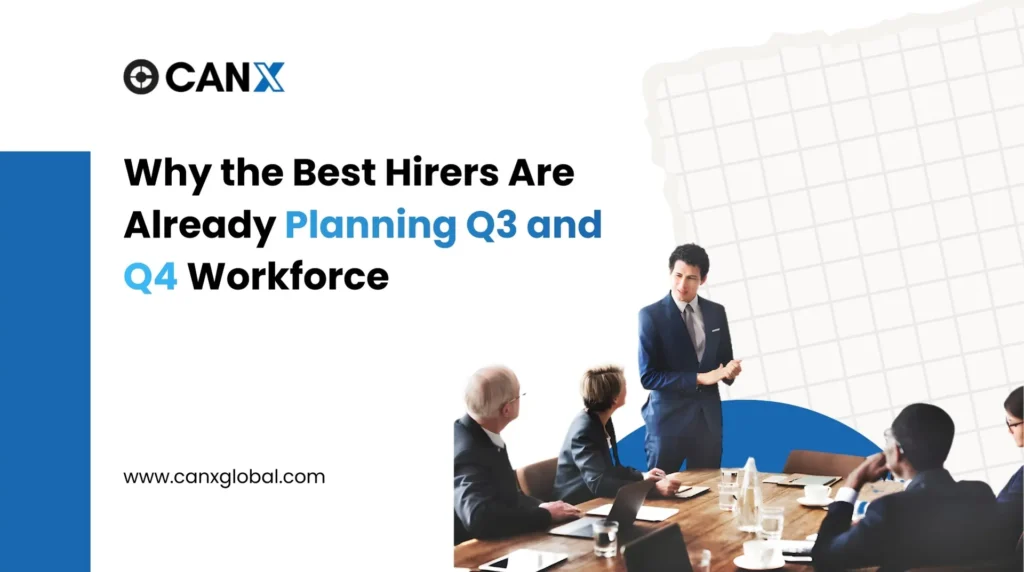
Every September, Canadian employers remember that they needed to hire in August. By then, the best candidates for those roles have already accepted offers from the organizations that started their searches in May. — organizations that had a deliberate Workforce Planning Strategy in place before the need became urgent.
The Predictable Failure of Reactive Seasonal Hiring
The Canadian hiring calendar has a predictable rhythm that most organizations experience as reactive rather than anticipate as strategic. January brings a surge of motivated job seekers following the holiday period. Spring produces a wave of departures as employees who received year-end reviews — and found them wanting — begin their searches. Summer slows hiring activity as decision-makers take leave. September sees a rush to fill roles before the year-end freeze. October and November are chaotic. December is effectively over.
The organizations caught in this cycle are always hiring under some form of pressure. The January surge produces hasty decisions. The September rush produces compromised ones. The year-end freeze means some roles simply do not get filled until the following February, and the business absorbs the cost of an extended vacancy through a critical period.
The organizations that escape this cycle are those that treat Workforce Planning Strategy as a continuous process with deliberate seasonal timing — not a reactive response to vacancies as they materialize.
What a Forward-Looking Workforce Planning Strategy Actually Involves
1
A Quarterly Talent Review — Not an Annual One
Most organizations conduct a formal Workforce Planning Strategy exercise once per year, usually during budget season. The result is a headcount plan that is accurate in January and increasingly fictional by April as business conditions shift, unexpected departures occur, and the roles that actually need to be filled bear little resemblance to the ones on the approved headcount form.
A quarterly talent review — a 90-minute conversation between HR leadership and business leaders each quarter — allows headcount planning to stay current with business reality. It surfaces which roles will need to be filled in the next two to three quarters, which current employees are at attrition risk, and where skills gaps are developing that will need to be addressed through hiring or development.
The output of each review is a concrete list of searches to launch, talent pipelines to warm, and candidates to start engaging — before the vacancy is formal.
2
The 90-Day Lead Time Rule
For professional and specialist roles in Canada, the realistic timeline from search launch to new hire producing meaningful output is eight to twelve weeks: two weeks to source and screen, one to two weeks for interviews, one week for offer and acceptance, two to four weeks of notice period, and two to four weeks of ramp-up before the person is fully effective.
If you need a new finance manager fully productive by September 1st, the search needs to begin in May. Not July. Not when the current finance manager announces their resignation. May.
The 90-day lead time rule — working backwards from when you need someone fully effective to determine when the search must begin — is the single most powerful change a Workforce Planning Strategy process can incorporate. It turns reactive hiring into a deliberate one.
3
Succession Mapping for Critical Roles
Every organization has roles whose departure would create immediate, disproportionate disruption. The loss of a key account manager, a senior technical lead, a CFO, or a critical operations manager can set a business back months in ways that a prepared organization recovers from quickly and an unprepared one does not recover from at all.
Succession mapping is not about pessimism. It is about organizational resilience. Identifying the three to five roles in your organization whose vacancy would be most disruptive, and either maintaining an active candidate pipeline for each or ensuring the internal succession path is genuinely prepared, is the difference between a company that handles leadership transitions well and one that is repeatedly destabilized by them.
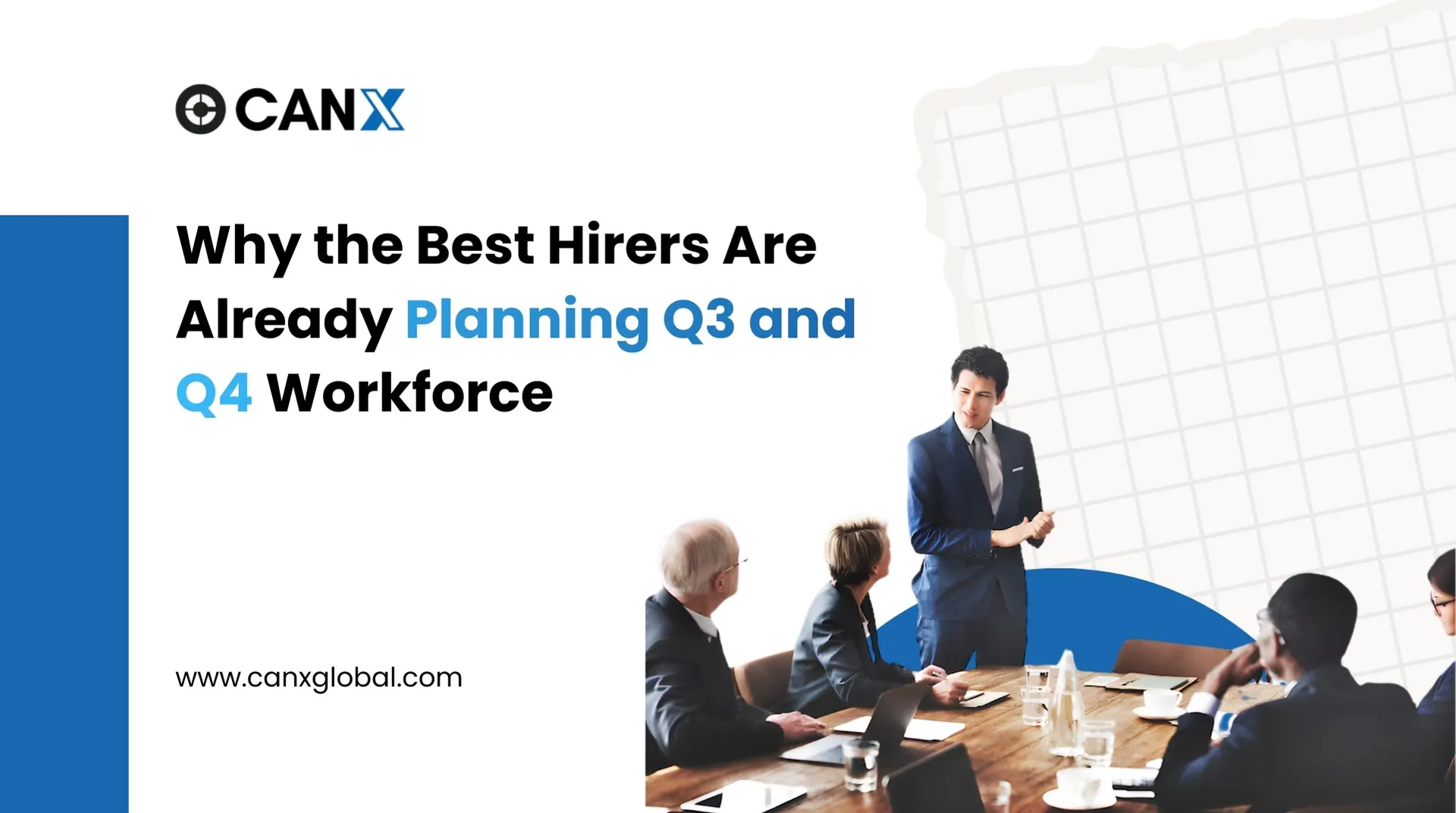
The Q3 and Q4 Hiring Window: Why Your Workforce Planning Strategy Must Act Now
The spring and early summer window — February through May — is consistently the highest-quality candidate market of the Canadian hiring year. The post-holiday motivation that peaks in January sustains through spring. The working parents whose job searches are complicated by childcare logistics find early summer workable. Competitive candidate processes have not yet fully heated up.
Organizations that launch their Q3 and Q4 headcount searches in this window close stronger candidates at better compensation rates, with less competition, than those who launch the same searches in October. The market rewards early movers with disproportionate access to the candidates the market will be fighting over in autumn. A proactive workforce planning strategy is the single biggest differentiator between those two outcomes.
“Organizations that begin Q3 and Q4 hiring searches before June consistently close roles 30% faster and report higher offer acceptance rates than those launching equivalent searches in September.”
— Robert Half Canada Hiring Velocity Data 2026
How CAN X Global Supports Your Workforce Planning Strategy
CAN X Global works with employer partners on both immediate searches and forward-looking talent mapping — identifying the roles that will need to be filled in two to three quarters, building candidate pipelines proactively, and ensuring that when the formal hire decision is made, the search is measured in weeks rather than months.
A strong workforce planning strategy does not begin in September. It begins now — with a structured conversation about which roles matter most and when those searches need to launch to close the right candidate before the competition heats up.
If your 2026 headcount plan includes roles you know you will need to fill in Q3 or Q4, the best time to begin the strategic conversation about those searches is now. Not September. Now.