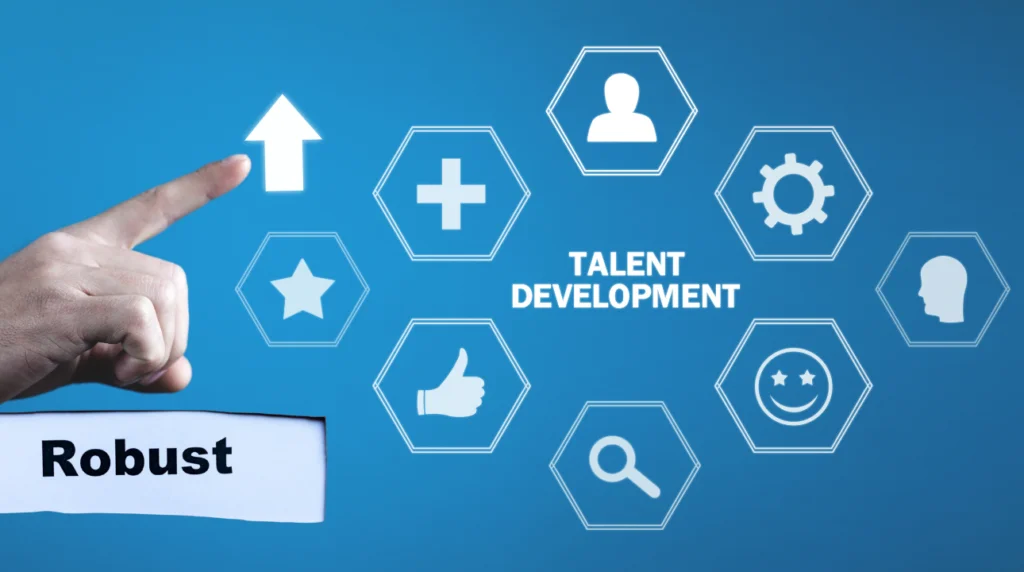
In today’s competitive job market, attracting and retaining top talent is more challenging than ever. Businesses that want to stay ahead must go beyond reactive hiring and embrace a strategic approach to workforce planning. That’s where the concept of a robust talent pipeline comes in. If you’re wondering how to build a robust talent pipeline, this guide will walk you through proven strategies to proactively source, engage, and nurture high-potential candidates—before you even need to fill a role. Whether you’re scaling fast or simply future-proofing your team, investing in a strong pipeline is the key to sustainable growth.
What is a Talent Pipeline and Why Does it Matter?
A talent pipeline is a proactive recruitment strategy where potential candidates are identified, engaged, and prepared for future job openings. Unlike reactive hiring, a strong talent pipeline ensures that businesses don’t scramble for candidates when a role becomes vacant.
Why does it matter?
-
- It reduces time to hire and hiring costs.
- It mitigates business disruptions caused by talent gaps.
- It creates a consistent flow of skilled and culturally aligned candidates.
- It fosters long term partnerships and enhances your employer brand.
Case Example: Consider a growing tech startup that struggled to fill key developer roles when its product hit rapid growth. By implementing a talent pipeline strategy, they began engaging candidates through university hackathons and networking events six months before the need arose. When the hiring push came, the company had a ready pool of interested, prequalified candidates, reducing their time to hire by 50%.
Steps to Build a Strong Talent Pipeline
1.Define Your Future Hiring Needs
The foundation of a talent pipeline starts with understanding your workforce demands. Collaborate with leadership and HR to anticipate future roles and skill gaps.
-
- Analyze trends within your business and industry.
- Identify key positions that are critical to operations.
- Map out roles that may require succession planning or growth hires.
Tip: Align workforce planning with your company’s long-term goals and upcoming projects.
Case Example: A mid sized manufacturing company used data analytics to anticipate the retirement of senior technicians in three years. By defining the roles and skills they needed, they partnered with local trade schools to recruit and train apprentices, ensuring a smooth succession plan when senior staff exited.
2. Build a Candidate Persona for Ideal Hires
Creating a candidate persona allows you to target the right individuals who are not only qualified but culturally aligned with your organization.
Consider:
-
- Skills and Experience: What technical or soft skills does your organization need?
- Motivations: What are candidates looking for? Growth opportunities? Stability?
- Cultural Fit: Who thrives in your workplace environment?
A detailed persona helps you create job content and outreach strategies that resonate with your target audience.
Case Example: A global consulting firm discovered through exit interviews that many hires valued flexibility over salary. By adjusting their candidate persona and emphasizing remote work and flexible schedules in outreach, they improved applicant quality and retention rates.
3. Source and Engage Talent Proactively
Once you identify your hiring needs and personas, start sourcing talent early and nurturing relationships.
-
- Leverage Multiple Channels: Use job boards, social media, referrals, and networking events.
- Invest in Passive Candidates: Reach out to individuals who may not be actively seeking a job but are open to opportunities.
- Engage Consistently: Build rapport by sharing relevant company updates, thought leadership content, and growth stories.
Building a talent pipeline is about creating trust over time.
Case Example: A healthcare company, facing a chronic shortage of nurses, launched an online platform where nursing students could access training webinars and career advice. By engaging with this pool early, the company built a robust database of candidates who were ready to apply as soon as they graduated.
4. Cultivate Relationships Through Talent Communities
Creating a talent community can elevate your talent pipeline strategy. These communities are groups of individuals who are engaged with your brand and interested in future roles.
-
- Develop a mailing list to share newsletters, updates, and job alerts.
- Use LinkedIn groups or other platforms to connect with potential candidates.
- Offer value through professional development content, workshops, or networking opportunities.
Building an engaged community allows you to tap into ready to hire candidates as positions become available.
Case Example: A retail giant created a LinkedIn talent group for sales associates and managerial candidates. Regular updates on store expansions, leadership stories, and professional development kept candidates engaged until roles became available.
5. Utilize Technology for Pipeline Management
Modern hiring requires modern tools. Use Applicant Tracking Systems (ATS) and CRM platforms to streamline candidate management and engagement.
-
- Track candidates’ progress through the pipeline.
- Automate communication to keep candidates engaged.
- Use analytics to measure the pipeline’s effectiveness and identify areas for improvement.
Leveraging technology ensures that your recruitment process is efficient, transparent, and scalable.
Case Example: A SaaS company used an ATS to categorize candidates by their skills and availability, ensuring seamless follow ups. When an unexpected vacancy opened, the system flagged prequalified candidates who had expressed interest six months earlier, saving weeks in the hiring process.
Key Takeaways for Building an Effective Talent Pipeline
-
- Be Proactive, Not Reactive: Start identifying and nurturing candidates before a position opens.
- Build Relationships: Engage with candidates through consistent and meaningful communication.
- Focus on Quality, Not Just Quantity: Prioritize culturally aligned and skilled candidates.
- Leverage Tools: Use technology to manage and optimize your talent pipeline.
- Stay Agile: Continuously refine your strategy based on hiring trends and business needs.
Conclusion: Invest in Talent Today, Thrive Tomorrow
A reactive hiring strategy might get you through the next quarter, but what about next year? Building a talent pipeline isn’t just about filling roles, it’s about future proofing your business and staying ahead of the curve. Companies that proactively engage with talent create opportunities for innovation, growth, and stability. Think of your talent pipeline as an investment portfolio. The time and effort you put in today will yield returns when you need it most, whether that’s a sudden resignation, rapid growth, or the launch of a new division.
Don’t wait until your company’s momentum is stalled by a talent gap. Start building relationships, nurturing candidates, and investing in tools that make the process seamless. Your workforce isn’t just a resource; it’s your competitive edge, make sure you’re prepared to defend it.