





IRCC Sent Me a Letter Asking for More Information: What It Means
Published by: Can X Global Solutions Inc.
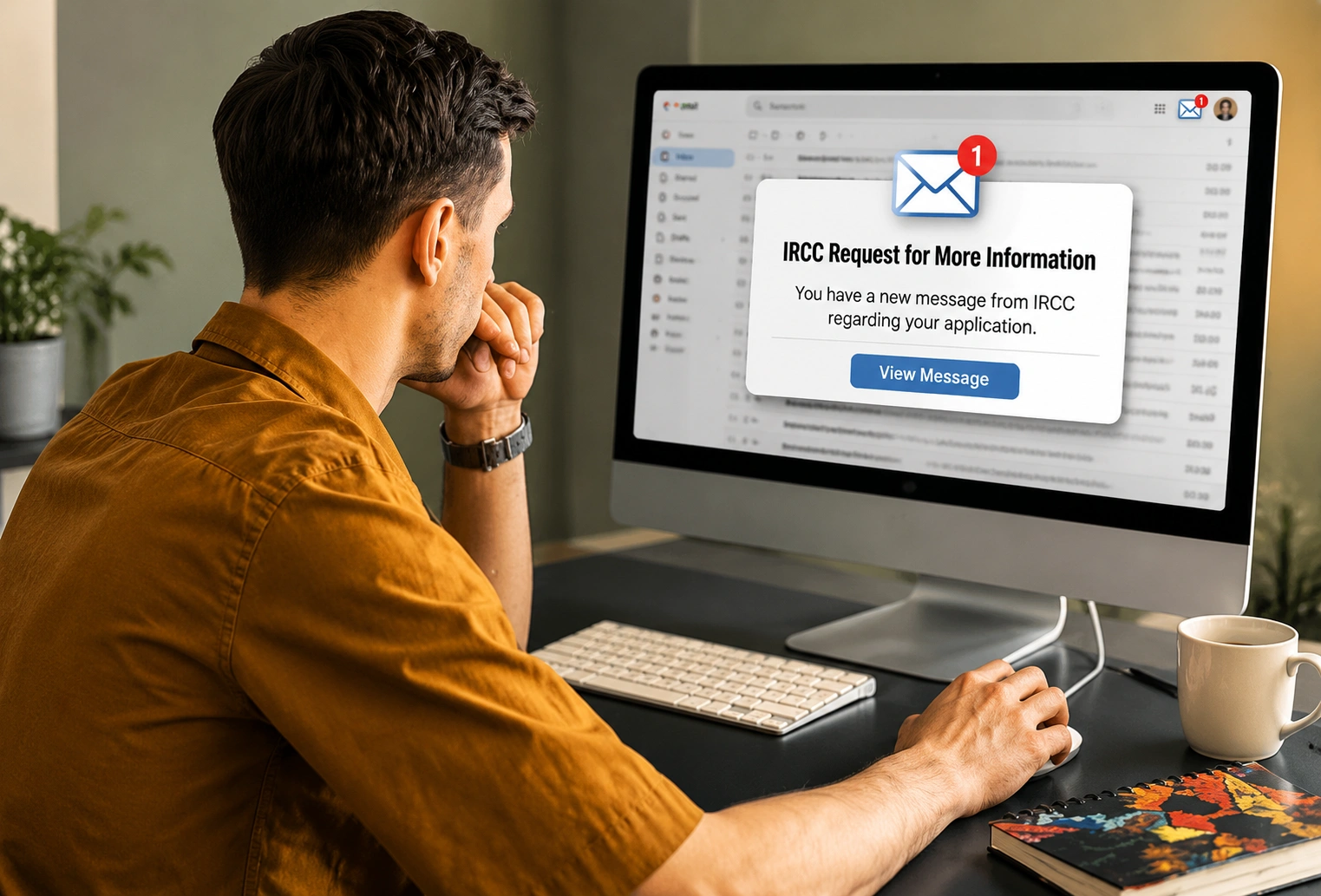
The application has been processing for months. Then a letter arrives from IRCC. Your first reaction is alarm. Your second is trying to figure out what exactly this letter means and whether it is a sign that something is wrong.
The answer depends on what type of correspondence it is. Not all letters from IRCC are bad news. But all of them require a response, and responding correctly matters.
Wondering if your situation qualifies?
Book a ConsultationThe Three Types of IRCC Correspondence During Processing
Understanding what type of letter you have received is the first step to knowing what to do.
Type 1: A Request for Additional Documents or Information
This is the most common type of mid-application correspondence. IRCC may ask for updated documents, additional evidence to support the relationship assessment, a more recent police certificate, or a new immigration medical exam if the original has expired.
A request for additional information does not mean the application is heading toward refusal. It means the officer needs more to complete their assessment. Respond completely and within the deadline specified.
Type 2: A Biometrics Instruction Letter or Medical Exam Request
These are administrative notices related to required steps in the process. A Biometrics Instruction Letter tells the applicant where and when to provide fingerprints and a photo. A medical exam request tells the applicant or a dependent to attend a specific approved panel physician.
These letters require action, not a response. Complete the required step within the specified window. Delays in completing biometrics or medical exams extend processing time for the entire file.
Type 3: A Procedural Fairness Letter
This is the most serious category. A Procedural Fairness Letter, often called a PFL, is issued when IRCC has a specific concern about the application that could lead to a refusal, and they are giving the applicant an opportunity to address that concern before a final decision is made.
A PFL is not a refusal. It is a warning that a refusal may be coming and an invitation to respond. How you respond determines whether the refusal is avoided.
What a Procedural Fairness Letter Looks Like
A PFL will:
- Identify the specific concern IRCC has with the application
- Explain why that concern could lead to a negative decision
- Give you a specific deadline to respond, typically 30 days but sometimes more or less depending on the circumstances
- Tell you what kind of response or evidence would address the concern
Common concerns raised in PFLs for spousal sponsorship applications include:
- Doubts about the genuineness of the relationship
- Inconsistencies between statements made in the application and supporting documents
- Undisclosed information discovered during the review
- Concerns about the sponsor’s eligibility
- A medical admissibility issue relating to one of the applicants
Need a personalized review of your file?
Get a Case ReviewHow to Respond to a Request for Additional Information
For a standard document request, the response is procedural:
- Gather every document requested, and only what is requested unless there is a compelling reason to include more
- Ensure all documents are translated into English or French if they are in another language, by a certified translator
- Submit within the stated deadline through the channel specified in the letter, typically the online portal or by mail
- Keep copies of everything you submit and record the date of submission
If a requested document is genuinely unavailable, for example a police certificate from a country that does not issue them, submit a letter explaining why the document cannot be obtained and providing whatever alternative evidence is available. Do not ignore the request because you cannot fulfil it exactly as stated.
How to Respond to a Procedural Fairness Letter
A PFL response is not procedural. It is substantive. You are making an argument to an immigration officer that the concern they have identified should not result in a refusal. The response needs to:
- Directly address the specific concern raised in the letter, not general issues with the application
- Provide a clear, honest explanation of the circumstances
- Support the explanation with documentation wherever possible
- Be submitted before the deadline, and through the correct channel
For a genuineness concern, the response should include additional relationship evidence, letters from people who know the couple, and a detailed personal statement addressing any specific inconsistencies raised.
For a misrepresentation concern, the response needs to explain the circumstances of the omission or error, provide documentation of the correct information, and address why the omission was not deliberate if that is the case.
A PFL response is the document that stands between you and a refusal. It deserves careful, professional attention. This is the single most common situation where applicants who have managed their applications independently realise they need professional help immediately.
Have questions about your specific case?
Talk to an AdvisorWhat Happens If You Miss the Deadline?
Missing the deadline in a PFL is treated as an election not to respond. The officer will proceed to make a decision based on the file as it stands. For additional document requests, missing the deadline may result in the application being refused or returned for incompleteness. For PFL deadlines, missing it typically results in a refusal without your concerns being heard.
If you have missed a deadline, contact IRCC immediately, explain why the deadline was missed, and request an extension. Whether an extension is granted is at the officer’s discretion. Acting the same day you realise you have missed a deadline gives you the best possible chance of having the extension considered.
FAQ
Is receiving a Procedural Fairness Letter a sign that the application will be refused?
Not necessarily. It is a sign that there is a concern that could lead to a refusal if not addressed. Many applications that trigger a PFL are ultimately approved after a strong, well-documented response. The PFL is an opportunity, not a verdict. Treating it as such, and responding with the same care you would give to the original application, gives the best possible outcome.
IRCC asked for a document we do not have. What should we do?
Do not ignore the request. If the document genuinely does not exist or cannot be obtained, submit a written explanation detailing why the document is unavailable, what steps were taken to obtain it, and what alternative evidence is being provided instead. An honest, documented explanation of unavailability is treated far more favourably than silence or a non-response.
How long do we typically have to respond to a PFL?
The response window is specified in the letter itself. Thirty days is common but not universal. Some PFLs provide shorter windows, particularly for concerns related to document expiry or security matters. Read the letter carefully, note the deadline, and begin preparing your response immediately. Do not wait until the last week.
A Procedural Fairness Letter requires a strong, well-framed response before the deadline. Can X Global has been preparing PFL responses for sponsorship applicants since 2016. Book a assessment the same day you receive one.
Need help preparing your application correctly?
Book a ConsultationGet Expert Immigration Advice
10+ years helping clients achieve Canadian permanent residency.
Book a ConsultationTrusted by Clients from 30+ Countries
We provide trusted and effective Immigration solutions, assisting clients from around the world in successfully starting their new life in Canada.
Most Read
View all →
Inland vs Outland Spousal Sponsorship Canada 2026: Which Stream Is Right for You?

Spousal Open Work Permit Canada 2026: How to Work While Your PR Is Processing

Who Can Sponsor a Spouse to Canada in 2026: Full Eligibility Guide

Spousal Sponsorship Canada Documents Checklist 2026