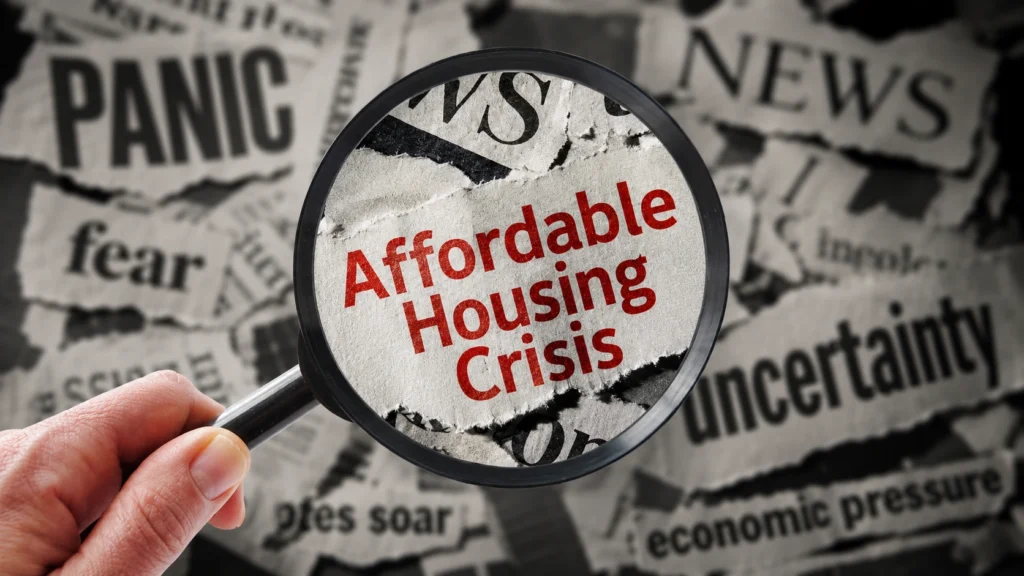
Canada has long been celebrated as a welcoming country for immigrants. But in 2025, that openness is being re-evaluated in light of a growing housing affordability crisis. Soaring real estate prices, record-low rental vacancies, and overburdened infrastructure have sparked a nationwide debate: how can Canada remain an inclusive, prosperous nation while ensuring housing is affordable and accessible to everyone—both newcomers and long-time residents?
This article explores how immigration, housing supply, and public policy intersect—and what’s being done to ensure balance.
The Link Between Immigration and Housing Affordability
In 2025, Canada is expected to welcome nearly 400,000 new permanent residents, in addition to tens of thousands of temporary foreign workers and international students. While immigration is a powerful economic driver—addressing labour shortages and supporting aging demographics—it also significantly increases housing demand, particularly in urban hubs like Toronto, Vancouver, and Montreal.
Why Is Housing So Expensive in Canada?
Housing affordability is shaped by many interlinked factors:
-
- Demand Outpacing Supply
Population growth, especially from immigration, has far outstripped housing construction. Canada’s national rental vacancy rate dropped to 1.5%, the lowest in decades.
- Slow Construction and Red Tape
Delays caused by lengthy municipal approvals, outdated zoning laws, and regulatory bottlenecks make it harder to build quickly and affordably.
- Inflation, Interest Rates & Mortgage Costs
High borrowing costs and inflation have pushed homeownership out of reach for many, resulting in a spillover effect into the rental market—driving up rents.
- Temporary Residents Not Accurately Counted
Past planning failed to fully include international students and temporary foreign workers in population and housing forecasts, creating sudden demand spikes in local markets.
What Do Canadians Want?
Public discourse and recent surveys reveal that Canadians are calling for:
-
- Balanced Immigration Targets
Adjusting newcomer levels to match housing and infrastructure capacity, preventing further strain.
- Accelerated Housing Development
Investing in affordable, modular, and high-density housing, while removing zoning and tax barriers to faster construction.
- Better Integration of Immigration and Infrastructure Planning
Ensuring that immigration policies are aligned with regional housing, healthcare, transit, and job infrastructure to support sustainable growth.
Government Actions in 2025: New Steps Toward Balance
The federal government has acknowledged public concerns and initiated the following changes:
-
- Immigration Cap Adjustments
Canada aims to reduce the number of temporary residents from 7.3% to below 5% of the population by 2027. Stricter criteria for study permits and temporary work permits are now in place.
- Planning with Temporary Residents in Mind
For the first time, international students and temporary workers are being factored into long-term immigration and housing forecasts.
- $25 Billion “Build Canada Homes” Initiative
A bold federal housing strategy includes:
- Cutting taxes on new residential builds
- Reducing development charges
- Promoting modular and prefab construction
- Supporting 160,000 new homes by 2028
- Green and Local Focus
Emphasis on using eco-friendly materials and Canadian suppliers to boost both sustainability and local employment.
Is Immigration the Real Cause of the Housing Crisis?
While it’s easy to link immigration to housing pressure, research shows it is not the root cause. Key factors include:
-
- A chronic underbuilding of housing units
- Municipal restrictions on density and land use
- Slow investment in infrastructure relative to population growth
Moreover, immigrants are part of the solution—many bring in-demand skills in trades and construction that are essential for building new homes.
However, the pace of population growth matters. Sudden surges without proper infrastructure can destabilize even strong housing markets. A better balance between immigration targets and housing readiness is key.
What Should Newcomers and Residents Expect?
For Newcomers:
-
- Expect continued tight housing markets, especially in urban centres.
- Preference will be given to applicants in high-demand sectors like trades, health, and technology.
- More incentives and support for those willing to settle in regional or rural areas.
For Canadian Residents:
-
- Policy changes may moderate housing demand in the short term, but deeper reforms are still required.
- Long-term affordability depends on increased housing supply, smart zoning, and faster construction—not just reduced immigration.
Conclusion: Toward a More Sustainable Future
Canada’s housing crisis is complex and multi-faceted. While immigration plays a role, it’s one piece of a broader puzzle involving supply bottlenecks, outdated planning, and financing challenges. What’s encouraging is that the public’s call for balance is being heard, and concrete action is now underway.
The key lies in ensuring that immigration policies support—not outpace—Canada’s housing and infrastructure capabilities, while continuing to build a vibrant, inclusive society.
Need Expert Advice?
Whether you’re a newcomer, student, employer, or policymaker, Can X Global can guide you through Canada’s evolving immigration landscape.
Contact us today for up-to-date advice on work permits, PR pathways, housing support, or settlement planning.