A LMIA Refusal to Process-based work permit application can be discouraging, especially if you were counting on starting or continuing your career in Canada. But a refusal is not the end of the road. With the right information and strategy, you may still have options.
In this guide, we break down the common reasons forLMIA Refusal to Process, what you should do next, and how to strengthen your case if you choose to reapply.
Understanding LMIA Refusal to Process
An LMIA Refusal to Process is a closed work permit issued based on a positive Labour Market Impact Assessment (LMIA) from Employment and Social Development Canada (ESDC). This permit allows a foreign worker to work for a specific Canadian employer in a designated position.
Because this process involves both ESDC and IRCC, there are multiple stages where things can go wrong. Even if your employer secures a positive LMIA, IRCC must still be satisfied that you meet all the requirements for the work permit.
Top Reasons IRCC Refuses LMIA Refusal to Process
Here are the most common reasons IRCC LMIA Refusal to Process applications:
1. Insufficient Ties to Home Country
IRCC must be convinced that you will leave Canada when your work permit expires. If your application lacks strong family, economic, or social ties to your home country, the officer may assume you are a risk to overstay.
2. Inconsistent or Missing Documentation
Errors such as:
-
- Incorrect or incomplete application forms
- Missing employment letters or LMIA documents
- Poorly organized evidence of qualifications or experience
These can all lead to refusal.
3. Concerns About the Job Offer
Even with a valid LMIA, IRCC might question:
-
- Whether the job is genuine
- Whether your employer has the capacity to hire and pay you
- Whether the job aligns with your qualifications or experience
4. Misrepresentation or Discrepancies
Any inconsistency in your documents, employment history, or personal details may be viewed as misrepresentation, leading to automatic refusal or even a ban.
5. Background or Security Concerns
IRCC may refuse an application if there are concerns related to:
-
- Criminal background
- Medical inadmissibility
- Security issues
- Immigration violations in Canada or other countries
Step-by-Step: What to Do After a LMIA Refusal to Process
Step 1: Read the Refusal Letter Carefully
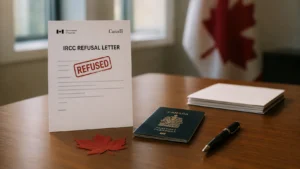
Start by reviewing the refusal letter from IRCC. It will usually list broad reasons like “lack of ties” or “insufficient evidence.” While helpful, these letters often lack detail.
Step 2: Order Your GCMS Notes
GCMS (Global Case Management System) notes provide detailed internal comments made by the officer who assessed your file. These notes reveal:
-
- What specific concerns the officer had
- Whether your documents were considered credible
- Any doubts about your employer, job offer, or experience
It takes about 30 days to receive these notes, and they are essential before reapplying.
Step 3: Assess Whether You Should Reapply or Appeal
You typically have two main options after a refusal:
-
- Reapply with a stronger application
If the LMIA Refusal to Process was due to weak documentation or unclear ties, you can reapply after addressing those issues. Make sure to include new evidence and a cover letter responding to the officer’s concerns.
- Seek a Judicial Review (Federal Court)
If you believe the decision was unreasonable or procedurally unfair, you may challenge it in Federal Court. This route is time-sensitive and complex. Always consult an immigration lawyer before pursuing this option.
There is no formal appeal process for LMIA Refusal to Process.
Step 4: Fix the Weak Points in Your Application
Whether you reapply or pursue another option, ensure your new application:
-
- Demonstrates strong ties to your home country (property ownership, family, ongoing job, etc.)
- Aligns your skills and experience with the job offer and NOC code
- Is complete, consistent, and professionally prepared
Tips to Strengthen a Future Application
-
- Add a Letter of Explanation: Address concerns raised in the refusal and explain how you’ve resolved them.
- Ensure Employer Documents Are Solid: Employer’s support letter, LMIA, and business license should all be current and verifiable.
- Improve Proof of Experience: Submit detailed reference letters, training certificates, or work contracts to show your skills match the job.
- Demonstrate Temporary Intent: Include proof of return travel plans, family obligations, or future commitments in your home country.
- Seek Professional Help: Many refusals happen due to technical mistakes or unclear submissions. A licensed immigration consultant can help identify and fix weak areas.
Final Thoughts: A Refusal Is Not the End
Being refused a work permit after a positive LMIA Refusal to Process can feel like a major setback, but with the right steps, you can recover and reapply successfully. The key is to understand the reasons for refusal in detail, fix the weaknesses in your application, and seek professional help if needed.
At Can X Global, we specialize in helping clients navigate LMIA-based work permit refusals. Our team can help you order and interpret GCMS notes, rebuild your application, and improve your chances of success.
Need help after a LMIA Refusal to Process?
Contact our team for a one-on-one consultation and take the next step toward working in Canada with confidence.