You have made the decision. Canada is not just a place you are passing through or working in for a few years. You want to stay. You want to build something permanent here.
That decision is clear. The path to making it legal is less clear to most people, and that is where things tend to get overwhelming. The good news is that there are more pathways to permanent residency in Canada than most people realize, and at least one of them is likely a realistic fit for your situation right now.
Start With a Clear Assessment of Where You Are
The right pathway to Canadian permanent residency depends almost entirely on your current situation. A few key questions will narrow down the options significantly.
Are you currently in Canada or outside Canada? Are you employed in Canada right now, and if so, for how long? Do you have a Canadian job offer? What is your highest level of education? What are your English or French language scores? Do you have family in Canada who might be able to sponsor you? Do you have trade skills or professional qualifications?
The answers to these questions map directly to specific programs. This is not a one-size-fits-all process.
The Main Permanent Residency Pathways in Canada
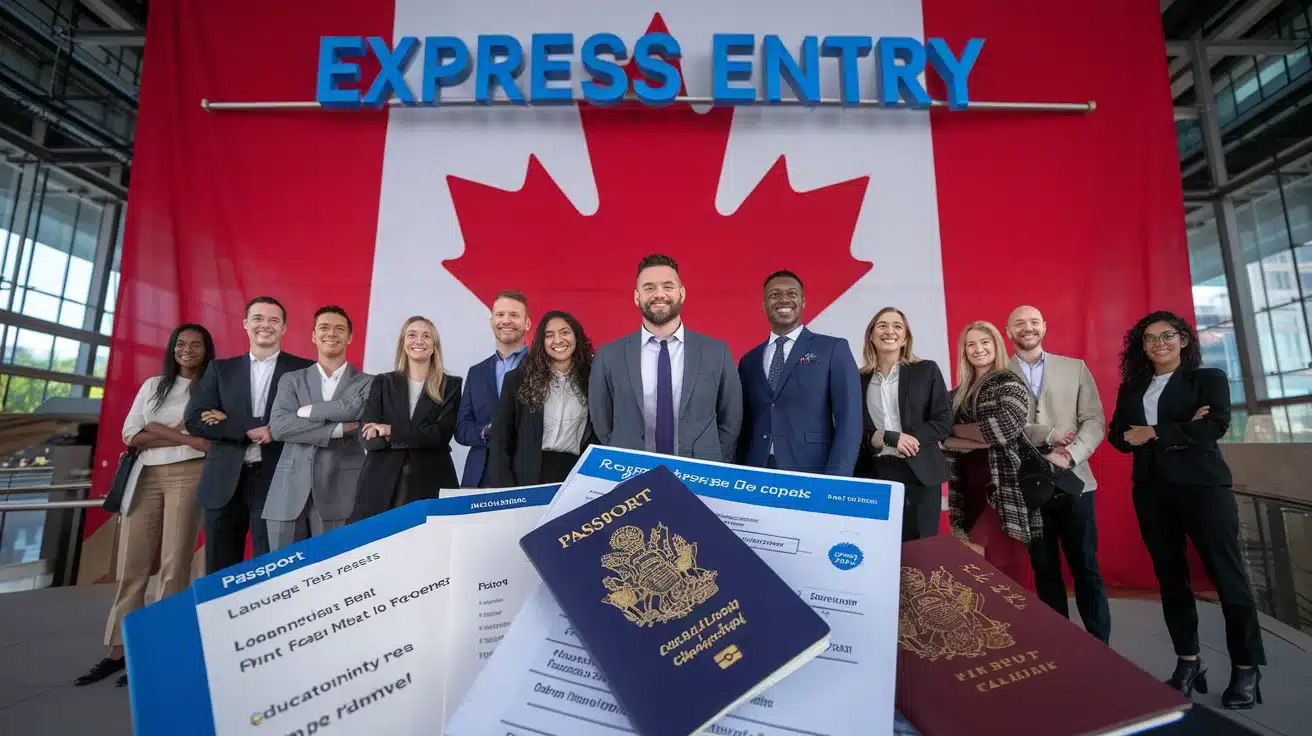
Express Entry
Express Entry is the federal government’s main system for selecting economic immigrants for permanent residency. It encompasses three programs: the Federal Skilled Worker Program for experienced workers who have not yet worked in Canada, the Canadian Experience Class for workers who have already accumulated Canadian work experience, and the Federal Skilled Trades Program for tradespeople.
If you are a skilled worker with solid language scores and qualifying work experience, Express Entry is usually the first system to assess. The process is points-based and competitive, but thousands of people receive invitations every month.
Provincial Nominee Programs
Every province and territory in Canada (except Quebec, which has its own system) has immigration programs that select candidates based on the province’s specific labour market needs. Provincial nominations can be obtained independently of Express Entry (through what is called a base nomination) or they can be linked to Express Entry (through enhanced nominations).
An enhanced provincial nomination adds 600 points to your CRS score, which effectively guarantees an Express Entry invitation. Base nominations result in a separate provincial PR process that does not go through the Express Entry pool.
Family Sponsorship
If you are already a permanent resident or Canadian citizen, you can sponsor certain family members for permanent residency. If you are the one who needs to be sponsored, having a Canadian citizen or permanent resident spouse or close family member can be a direct path to PR.
Quebec-Selected Skilled Worker Program
If you plan to live in Quebec, the province has its own immigration selection process. Quebec selects its own immigrants and then the federal government handles admissibility. This is a significant distinction because Quebec’s program has different criteria, including a strong preference for French language ability.
Humanitarian and Compassionate Applications
For people who do not qualify for standard economic or family immigration programs but have significant establishment in Canada, H and C applications offer a discretionary path. These are not guaranteed and are assessed on individual circumstances, but they are a legitimate option for people with compelling situations.
What Happens After You Identify Your Pathway
Once you know which program or programs are potentially available to you, the process involves gathering documents, submitting an application, and waiting for a decision. The specific documents, forms, and timelines vary significantly by program.
The most common mistake people make at this stage is applying to the wrong program, omitting required documents, or making errors in how they describe their work experience or qualifications. These mistakes delay applications, sometimes by a year or more.
The Role of a Regulated Immigration Consultant
You are not legally required to hire a consultant to apply for Canadian permanent residency. But the process involves enough complexity, and the consequences of errors are serious enough, that many applicants find professional guidance valuable, particularly for the initial assessment of which pathway fits their situation.
Frequently Asked Questions
Can I have my PR application in progress while continuing to work in Canada on a permit?
Yes. Many people apply for permanent residency while still on a work permit. If your permit expires while the PR application is being processed, you can apply for a work permit extension or, if eligible, a Bridging Open Work Permit to maintain your authorization to work during the processing period.
How long does the permanent residency process take from start to finish?
It depends entirely on the program. Express Entry applications are typically processed within six months of receiving an ITA. Provincial nominee programs involve a two-stage process that can take one to two years. Family sponsorship timelines vary from around 12 months for spousal sponsorship to several years for the Parent and Grandparent Program.
Does living in Canada for a long time automatically qualify me for PR?
No. Physical presence in Canada does not automatically create a pathway to permanent residency. You need to meet the eligibility criteria of a specific immigration program and submit a formal application. Length of time in Canada can contribute to your profile in some streams, but it is not independently sufficient.