













Permanent residence is hard to earn, so giving it up voluntarily can feel like a step backward. Yet for many people, renouncing Canadian PR status is the smartest move. If you have lived abroad for years and know you no longer meet the residency obligation, a voluntary renunciation can make it easier to visit Canada again, avoid a lengthy residency review at the border and move on with your plans.
This guide explains when renouncing permanent residence in Canada makes sense, how to apply, what happens after renunciation and the risks to consider before you sign.
Quick Summary
You can voluntarily give up permanent resident status by submitting IRCC’s Application to Voluntarily Renounce Permanent Resident Status (IMM 5782). IRCC does not charge a fee. People often renounce when they cannot meet the residency obligation of 730 days in five years, or when another country requires proof that they gave up Canadian PR. Once renunciation takes effect, you become a foreign national and need a visitor visa or electronic travel authorization (eTA) to visit. The decision is final unless you qualify for PR again.
Why People Renounce PR Status
| Reason | Explanation |
|---|---|
| Residency obligation not met | PRs must be physically present in Canada for at least 730 days in every five-year period |
| Easier travel to Canada | Renouncing can avoid a residency examination at the border and allow visits as a visitor |
| Requirements of another country | Some countries require proof of surrendered Canadian PR for benefits, documents or service |
| Life changes | Permanent moves abroad, family obligations or new citizenship elsewhere |
Should You Renounce or Keep Your PR?
Renouncing is not right for everyone. Before you decide, consider:
- Whether you can still meet the residency obligation by returning to Canada in time.
- Whether humanitarian and compassionate factors could help you keep status if an officer reviews your case.
- Whether time abroad could count as time in Canada, for example while accompanying a Canadian citizen spouse or working for a Canadian business abroad, in qualifying situations.
- Whether you may want to live in Canada again, since regaining PR means qualifying through a new application.
How to Renounce PR Status
Step 1: Review IRCC’s guide
Read IRCC’s instruction guide (IMM 5781) and current application instructions.
Step 2: Complete the forms
Complete the Application to Voluntarily Renounce Permanent Resident Status (IMM 5782) and the document checklist (IMM 5783). If you use a representative, include the Use of a Representative form (IMM 5476).
Step 3: Include your PR card
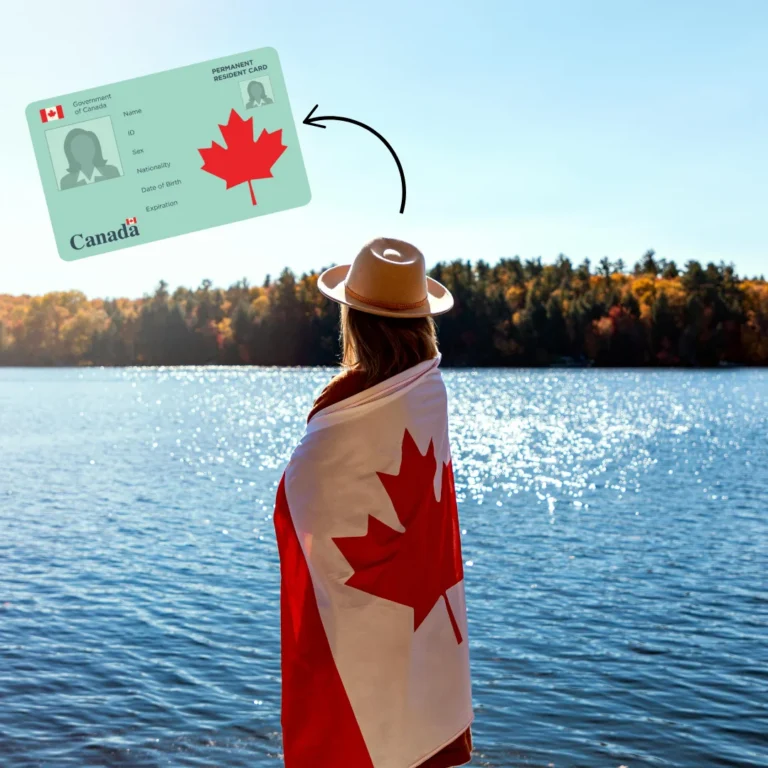
IRCC requires you to surrender your PR card. If your card is lost or destroyed, IRCC provides a solemn declaration form (IMM 5451).
Step 4: Submit your application
Follow IRCC’s current submission instructions. Minors need a parent or legal guardian to sign.
Step 5: Watch for IRCC’s decision
Renunciation takes effect once IRCC approves it. Keep the confirmation for future travel and for any foreign government that requires proof.
Planning your move to Canada?
Book a ConsultationWhat Happens After You Renounce?
| Your location when renunciation is approved | Effect according to IRCC policy |
|---|---|
| Inside Canada | You become a temporary resident for six months, without authorization to work or study |
| Outside Canada | You lose PR status and do not have temporary resident status |
| At a port of entry | You may be admitted as a temporary resident if you are otherwise admissible |
After renunciation, you are a foreign national. You need a visitor visa or eTA, depending on your citizenship, to travel to Canada.
When You Cannot Renounce
According to IRCC policy, you generally cannot renounce PR status if you are subject to an inadmissibility report on grounds other than failing the residency obligation. Renunciation cannot be used to avoid enforcement action for other reasons, such as criminality or misrepresentation.
Renouncing PR vs Losing PR
You can also lose PR status through an officer’s final decision that you failed the residency obligation. That process can involve reports, appeals and delays. Voluntary renunciation is usually faster and cleaner when you have already decided not to keep your status, but get advice first, because an appeal may sometimes protect your status.
How Can X Global Solutions Helps
At Can X Global Solutions, we help permanent residents decide whether to keep or renounce status, calculate residency days, prepare humanitarian arguments where appropriate and plan future visits or new PR applications. With 11+ years of experience and clients from more than 30 countries, we understand the realities of life across borders.
Explore our permanent residency services, visitor visa services and humanitarian and compassionate applications, or review IRCC’s renunciation application page.
Frequently Asked Questions
Is there a fee to renounce PR status in Canada?
No. According to IRCC policy, there is no processing fee to voluntarily renounce permanent resident status. You must complete the application form IMM 5782, include the document checklist and surrender your PR card, or provide a solemn declaration if your card is lost or destroyed.
Can I visit Canada after renouncing my PR?
Yes, if you are otherwise admissible. After renunciation, you become a foreign national, so you need a visitor visa or an electronic travel authorization, depending on your citizenship. Renouncing can make visits simpler than arriving as a PR who no longer meets the residency obligation.
Can I get PR again after renouncing it?
Renunciation is final, but it does not ban you from applying again. To become a permanent resident again, you must qualify through a new application under a program such as Express Entry, a provincial nominee program or family sponsorship, and meet all current requirements.
Does renouncing PR affect my citizenship application?
Renouncing PR ends your eligibility to apply for Canadian citizenship, because citizenship applicants must be permanent residents. If you are close to meeting citizenship requirements, get advice before renouncing, because keeping your status might be the better long-term choice for you and your family.
How This Guide Helps You
Renouncing PR is a serious, permanent decision. This guide helps readers understand when renunciation makes sense, how to apply, what happens next and when keeping status might be better. With it, permanent residents living abroad can make an informed choice and plan future travel to Canada with confidence.
Disclaimer: This content is for informational purposes only and does not constitute legal immigration advice. Consult a licensed immigration consultant or lawyer for guidance specific to your situation.
Book a consultation with Can X Global Solutions. We have helped clients from 30+ countries make Canada home, and we can help you decide whether to keep or renounce your PR.
Book a Consultation