







Rural and Northern Immigration Pilot in 2026: What Replaced It and Is It Right for You?

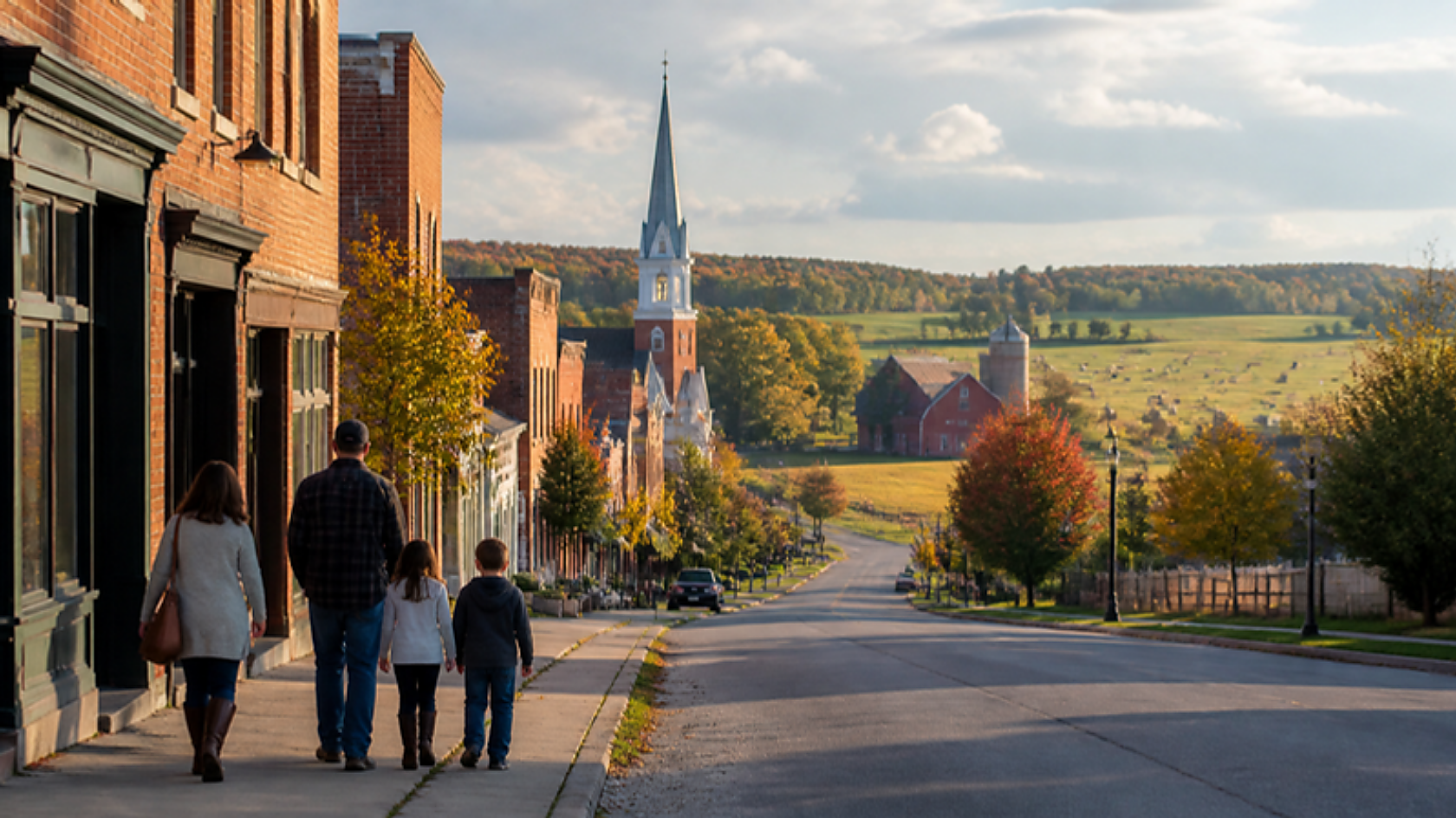
The Rural and Northern Immigration Pilot (RNIP) helped thousands of newcomers settle in smaller Canadian communities between 2019 and 2024. It closed to new applications on August 31, 2024. In its place, Canada launched the Rural Community Immigration Pilot (RCIP) in January 2025, with 14 participating communities across six provinces. If you are searching for a rural immigration pilot in Canada in 2026, RCIP is the program you need to understand.
This guide explains how RCIP works, which communities participate, who qualifies, how to apply, and how to decide whether rural life in Canada is the right fit for you and your family.
Quick Summary
RNIP closed to new applications on August 31, 2024, and was replaced by the Rural Community Immigration Pilot (RCIP), launched on January 30, 2025. RCIP covers 14 communities in Ontario, Manitoba, Saskatchewan, Alberta, British Columbia and Nova Scotia. Candidates need a full-time, non-seasonal job offer from a designated employer, a community recommendation, qualifying work experience, language scores of CLB 4 to 6 depending on the job, at least secondary education, settlement funds and a genuine intention to live in the community.
What Is the Rural Community Immigration Pilot?
RCIP is an employer-driven, community-based pathway to permanent residence. Local economic development organizations in each participating community designate employers, set priority sectors and recommend candidates to Immigration, Refugees and Citizenship Canada (IRCC). The goal is to fill local labour shortages and help newcomers settle for the long term.
The 14 RCIP Communities
| Province | Participating communities |
|---|---|
| Ontario | North Bay, Sudbury, Timmins, Sault Ste. Marie, Thunder Bay |
| Manitoba | Steinbach, Altona/Rhineland, Brandon |
| British Columbia | West Kootenay, North Okanagan Shuswap, Peace Liard |
| Saskatchewan | Moose Jaw |
| Alberta | Claresholm |
| Nova Scotia | Pictou County |
Each community manages its own priority occupations, designated employers and intake periods. Some communities have paused intake in specific sectors or periods when demand was high, so always check the community’s official RCIP page before you apply.
RCIP Eligibility Requirements
| Requirement | What you need |
|---|---|
| Job offer | Full-time (at least 30 hours a week), non-seasonal, permanent job offer from a designated employer in the community |
| Community recommendation | A certificate of recommendation from the community’s economic development organization |
| Work experience | At least one year (1,560 hours) of relevant work experience, unless you qualify for the international graduate exemption |
| Language | CLB 6 for TEER 0 and 1, CLB 5 for TEER 2 and 3, CLB 4 for TEER 4 and 5 |
| Education | Canadian secondary school diploma or foreign equivalent with an Educational Credential Assessment |
| Settlement funds | Proof of funds to support your family, unless you are already working in Canada with valid status |
| Intent to reside | A genuine plan to live in the recommending community |
If you are already in Canada, you must hold valid temporary resident status when you apply and maintain it until you become a permanent resident.
Which provincial program fits your profile?
Book a ConsultationHow to Apply Through RCIP: Step by Step
Step 1: Choose a community
Research the 14 communities, their priority sectors and their cost of living. Choose one where your skills match local needs and where you genuinely want to live.
Step 2: Find a designated employer
Each community publishes a list of designated employers. Your job offer must come from one of them and match a priority occupation where required.
Step 3: Apply for a community recommendation
Submit your application to the community’s economic development organization. If it recommends you, you receive a certificate of recommendation.
Step 4: Apply to IRCC for permanent residence
Submit your permanent residence application with the recommendation, job offer and supporting documents.
Step 5: Consider a work permit
With a recommendation and job offer, you may be eligible for a work permit so you can start working while IRCC processes your PR application.
Is a Rural Immigration Pilot Right for You?
RCIP offers a real advantage: you compete for a recommendation within one community rather than against the entire Express Entry pool. That can make it accessible to candidates whose CRS scores are below federal cut-offs, including workers in TEER 4 and 5 occupations. But it suits people who want to build a life in a smaller community, not those who plan to move to a big city after landing.
- Good fit: you value community, lower housing costs and shorter commutes, and your skills match local needs.
- Good fit: your employer is already designated and your job is in a priority sector.
- Poor fit: you plan to move to Toronto or Vancouver soon after landing.
- Poor fit: your occupation has little demand in any participating community.
What About Francophone Communities?
Alongside RCIP, Canada launched the Francophone Community Immigration Pilot to support French-speaking newcomers in selected francophone minority communities outside Quebec. If you speak French, explore that pilot as well.
How Can X Global Solutions Helps
At Can X Global Solutions, we help candidates compare rural and provincial options, and our recruitment team works with employers who want to hire through community-based pathways. With 10+ years of experience and clients from more than 30 countries, we help families choose a community where they can thrive, not just qualify.
Explore our permanent residency services, job seeker support and employer recruitment solutions, or get started today.
Frequently Asked Questions
Is the Rural and Northern Immigration Pilot still open in 2026?
No. The Rural and Northern Immigration Pilot closed to new applications on August 31, 2024. Canada replaced it with the Rural Community Immigration Pilot (RCIP), launched on January 30, 2025, which covers 14 communities in Ontario, Manitoba, Saskatchewan, Alberta, British Columbia and Nova Scotia.
Which communities participate in the Rural Community Immigration Pilot?
The 14 communities are North Bay, Sudbury, Timmins, Sault Ste. Marie and Thunder Bay in Ontario; Steinbach, Altona/Rhineland and Brandon in Manitoba; West Kootenay, North Okanagan Shuswap and Peace Liard in British Columbia; Moose Jaw in Saskatchewan; Claresholm in Alberta; and Pictou County in Nova Scotia.
Do I need a job offer for RCIP?
Yes. You need a full-time, non-seasonal, permanent job offer from an employer designated by the participating community, and you need a certificate of recommendation from that community’s economic development organization. Without both, you cannot apply for permanent residence through RCIP.
What language level do I need for RCIP?
Language requirements depend on your job offer’s TEER category: CLB 6 for TEER 0 and 1, CLB 5 for TEER 2 and 3, and CLB 4 for TEER 4 and 5. You must take an approved language test, and your results must be valid when you apply.
How This Guide Helps You
Rural pathways can open doors that Express Entry keeps closed, but only for people who choose them wisely. This guide helps readers understand what replaced RNIP, which communities participate, what each requirement means and whether rural life fits their goals. That clarity helps families make a decision they will be happy with long after they land.
Disclaimer: This content is for informational purposes only and does not constitute legal immigration advice. Consult a licensed immigration consultant or lawyer for guidance specific to your situation.
Book a consultation with Can X Global Solutions. We have helped clients from 30+ countries make Canada home, and we can help you find the right community for your future.
Book a ConsultationGet Expert Immigration Advice
10+ years helping clients achieve Canadian permanent residency.
Book a ConsultationTrusted by Clients from 30+ Countries
We provide trusted and effective Immigration solutions, assisting clients from around the world in successfully starting their new life in Canada.
Most Read
View all →
PNP Canada 2026: The 66% Expansion That Changes the PR Calculation for Every Skilled Worker

I Have a Trade Skill. Can I Immigrate to Canada?

Does Canada Accept Skilled Workers? Here Is What They Are Actually Looking For.

How Do You Move to Canada From the Philippines? A Step-by-Step Overview.



