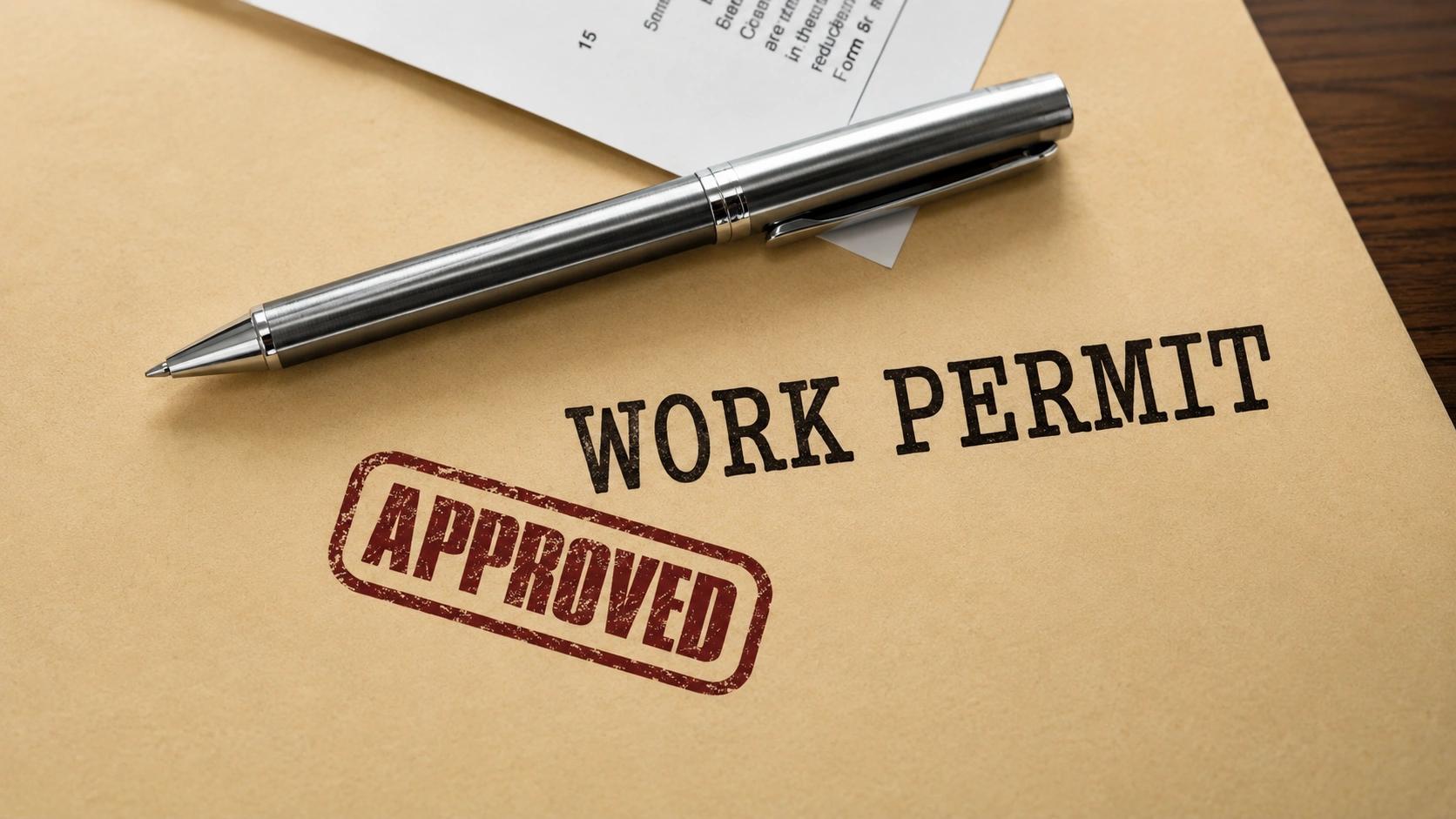






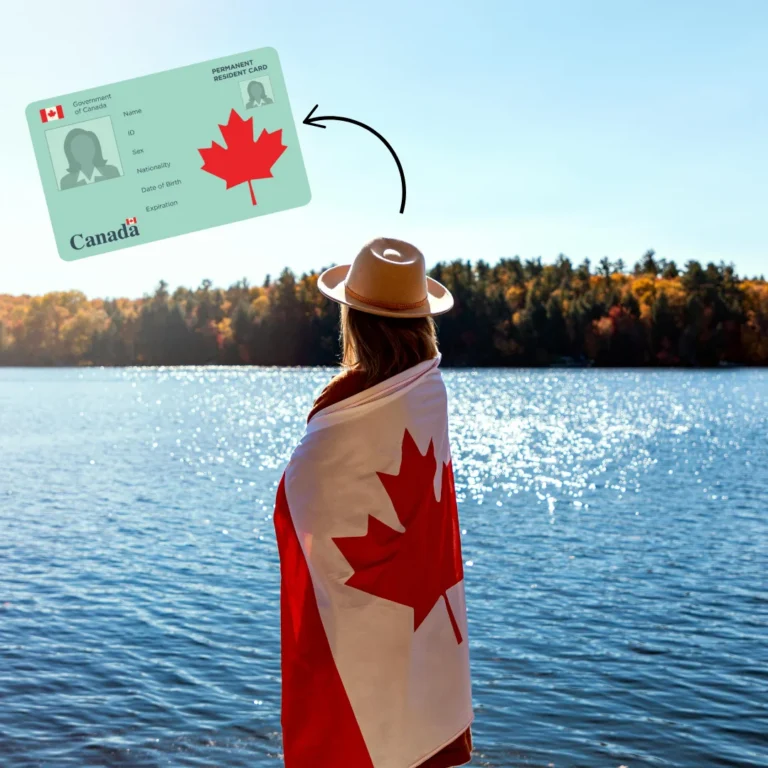
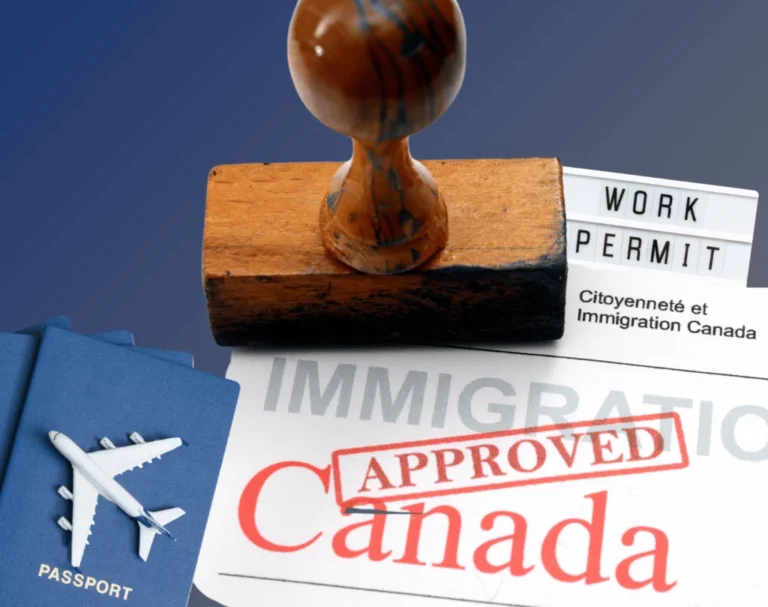




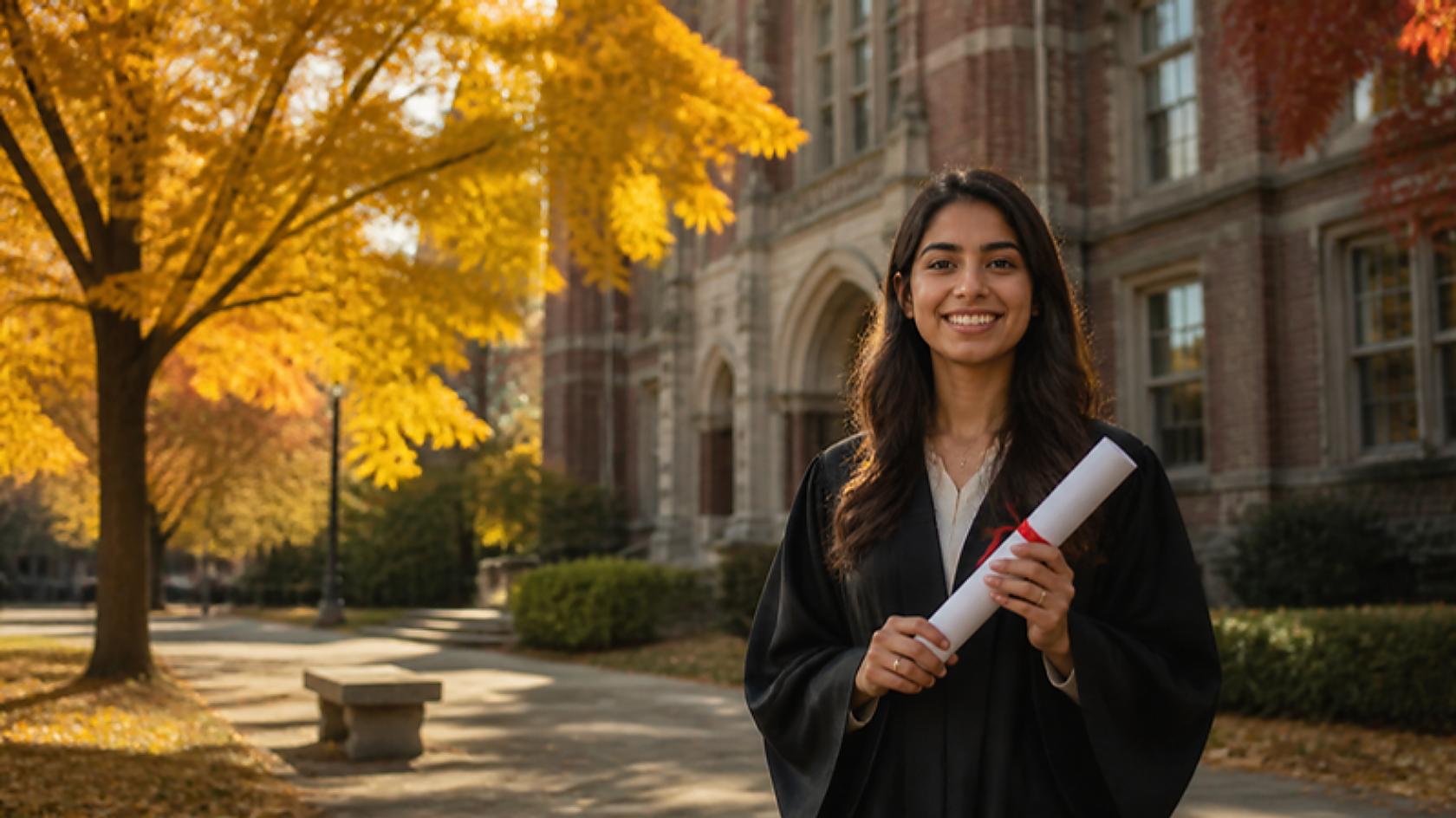
For many international students, a Canadian diploma is the first step toward permanent residence. The path from study permit to Post-Graduation Work Permit (PGWP) to permanent residence (PR) still works in 2026, but it rewards students who plan early, choose eligible programs and build the right Canadian work experience. This case study walks through a typical journey we see at our Surrey office, year by year, so you can see what good planning looks like.
About this story
This is an illustrative case study based on common situations we see in our practice. The name and details are fictional, and it does not describe a specific client. Rules change often and every case is different, so past results do not guarantee future outcomes.
Quick Summary
The study permit to PR path usually runs through three stages: studying in an eligible program, working on a PGWP to gain skilled Canadian experience, and applying for PR through Express Entry (often the Canadian Experience Class) or a provincial nominee program. Success depends on choosing a PGWP-eligible program, meeting language requirements, gaining skilled full-time work after graduation and keeping status valid throughout.
Year 1: Choosing the Right Program
Priya arrived in British Columbia on a study permit for a two-year college diploma. Before she enrolled, she checked three things that many students overlook:
- Her school was a Designated Learning Institution (DLI) with PGWP-eligible programs.
- Her program’s field of study met IRCC’s PGWP field-of-study requirements, which apply to most college graduates who applied for a PGWP on or after November 1, 2024.
- A two-year program could lead to a PGWP of up to three years.
She also worked part-time within the hours IRCC allowed for students. That experience helped her settle in, but she knew that work done while studying full-time does not count toward the Canadian Experience Class.
Year 2: Graduating and Getting the PGWP
Before her study permit expired, Priya applied for her PGWP. She had already taken an approved English test, because PGWP applicants must now show language ability: Canadian Language Benchmark (CLB) 7 for university bachelor’s, master’s and doctoral graduates, and CLB 5 for most college graduates. She applied from inside Canada, which let her keep working while IRCC processed her application, as long as she met the conditions.
| Stage | What Priya did |
|---|---|
| Before enrolling | Confirmed DLI status, PGWP eligibility and field-of-study rules |
| During studies | Kept full-time enrolment and worked within allowed hours |
| Before graduation | Took an approved language test |
| After graduation | Applied for a PGWP before her study permit expired |
Year 3: Building Skilled Experience and Applying for PR
On her PGWP, Priya took a full-time job in an occupation in Training, Education, Experience and Responsibilities (TEER) category 0, 1, 2 or 3 of the National Occupational Classification (NOC), the skill levels that count for the Canadian Experience Class. After 12 months of full-time skilled work, she:
- Retook her English test to improve her Comprehensive Ranking System (CRS) score.
- Created an Express Entry profile under the Canadian Experience Class.
- Checked whether her occupation matched any category-based draws.
- Explored BC PNP options as a backup.
She received an Invitation to Apply (ITA), submitted a complete PR application with police certificates, medical exams and reference letters, and kept her PGWP valid throughout. Her PR was approved before her work permit expired.
Planning to study in Canada?
Book a ConsultationWhat Made This Path Work
- Early planning: She chose an eligible program before arriving.
- Language scores: Strong test results helped at every stage.
- Skilled experience: Her job matched a TEER 0, 1, 2 or 3 occupation with duties that matched her reference letter.
- Status management: She applied for each permit before the previous one expired.
- Backup options: She considered provincial programs alongside Express Entry.
How the Path Has Changed
Since 2024, IRCC has capped study permits, added field-of-study and language requirements for PGWPs and limited open work permits for spouses of many students. Job offer points were removed on March 25, 2025, then returned on November 3, 2026 for qualifying offers in high-wage occupations. These changes make careful planning more important than ever, and they may continue to change, so always check current IRCC rules.
How Can X Global Solutions Helps
At Can X Global Solutions, we help students plan the full journey: study permits, PGWPs, work permit extensions, Express Entry and provincial nominee applications. With 11+ years of experience and clients from more than 30 countries, we help students avoid gaps in status and make the most of every stage.
Explore our study services, Post-Graduation Work Permit services and Express Entry services, or get started today.
Frequently Asked Questions
Can I get PR in Canada after studying?
Yes, many international graduates become permanent residents. The common path is study, then a Post-Graduation Work Permit, then at least one year of skilled Canadian work and an application through Express Entry, usually the Canadian Experience Class, or a provincial nominee program. Eligibility and competition change, so plan early.
Does part-time work during studies count toward PR?
Generally, no. Work done while you were a full-time student does not count toward the Canadian Experience Class. Qualifying experience usually comes after graduation, for example while on a Post-Graduation Work Permit, in a TEER 0, 1, 2 or 3 occupation.
How long does it take to go from study permit to PR?
It varies. A two-year program, plus at least one year of skilled work and Express Entry processing, often adds up to roughly three to five years. Timelines depend on your program length, work experience, CRS score, draw patterns and IRCC processing times.
What language score do I need for a PGWP?
PGWP applicants must show language ability with an approved test. University bachelor’s, master’s and doctoral graduates need Canadian Language Benchmark 7, while most college graduates need CLB 5, in all four skills. Check IRCC’s current requirements before you apply. When in doubt, speak with a licensed immigration professional about your specific situation.
How This Guide Helps You
A clear roadmap turns a confusing system into manageable steps. This illustrative story shows students what to check before enrolling, how to manage the PGWP stage and how to build toward permanent residence. With it, readers can plan their own path with fewer surprises and more confidence.
Disclaimer: This content is for informational purposes only and does not constitute legal immigration advice. Consult a licensed immigration consultant or lawyer for guidance specific to your situation.
Book a consultation with Can X Global Solutions. We have helped clients from 30+ countries make Canada home, and we can help you plan your path from study permit to PR.
Book a Consultation